Emotional well-beingEnvironmental sustainability and responsibilityInclusion and diversity

Yoga, Mindfulness and Nature for Kids and Teens: The Mindful adventure

Duration6 days · 25h
Course languageEnglish
Price480€
Next week17 – 22 Jan · Benidorm

Course overview

Childhood and adolescence are transformative stages marked by emotional, physical, and social change. Supporting students during this time is essential for helping them build self-awareness, emotional balance, and healthy relationships with themselves and their surroundings.

This course introduces yoga, mindfulness, and nature-based learning as powerful tools to nurture students’ personal growth. Through playful and accessible practices, children and teens explore movement, breathing, and imagination to relax, focus, and regulate their emotions—fostering essential life skills such as empathy, concentration, and emotional intelligence.

A strong emphasis is placed on inclusive education, particularly in supporting students with special educational needs (SEN). The activities are adaptable and respectful of individual learning rhythms, promoting participation regardless of ability, background, or learning style. These strategies also contribute to preventing discrimination and building inclusive, compassionate classroom environments.

In addition to supporting emotional and physical well-being, the course enhances language acquisition through the CLIL approach (Content and Language Integrated Learning). Children naturally learn and practice English through storytelling, songs, games, and movement-based activities—creating a joyful, immersive, and meaningful language learning experience, especially effective in multilingual and diverse classrooms.

Learning takes place both indoors and in nature, reinforcing values such as peace, environmental awareness, and intercultural empathy. Activities in natural settings deepen students’ connection to the environment and enrich the holistic learning experience.

Finally, the course supports professional development and collaboration among educators. Participants engage in reflective practice and peer exchange, strengthening teamwork, emotional intelligence in teaching, and educational leadership for the creation of inclusive, student-centered school cultures.

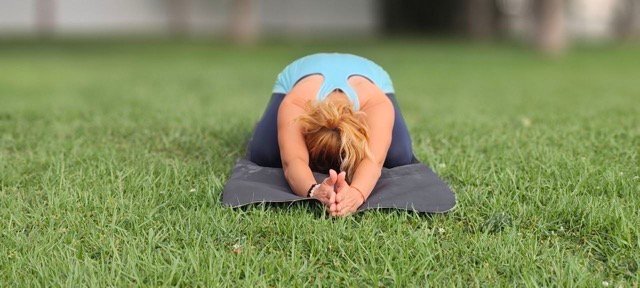
This course promotes the regular integration of yoga and mindfulness into the school day, creating moments where children and teens can pause, reconnect, and develop essential life skills such as focus, emotional regulation, empathy, and resilience. These practices are supported by growing scientific evidence for their benefits in improving attention, reducing anxiety, and promoting emotional balance in educational settings.

Learning outcomes

The course aims to connect play, relaxation, focus, and balance. It encourages children and teens to know themselves better and relate more positively to others and their environment.

  • Using yoga and meditation in the classroom.
  • Experiencing relaxation as a foundation for growth.
  • Improving spinal posture and healthy body awareness.
  • Developing proper breathing techniques.
  • Boosting creativity, self-esteem, and emotional intelligence.
  • Encouraging language learning through storytelling, games, and imagination, in line with CLIL principles.
  • Fostering respect for diversity, inclusion, and environmental awareness.
  • Supporting the participation of students with special educational needs through accessible and adaptable practices.
  • Preventing discrimination and promoting empathy and compassion.
  • Reducing stress and anxiety.
  • Enhancing attention, concentration, memory, and imagination.
  • Learning new vocabulary and communication skills naturally—especially in English.
  • Improving sensory perception and emotional understanding.
  • Supporting healthy physical energy and emotional regulation.
  • Promoting a holistic sense of well-being and empathy.
  • Encouraging teamwork and teacher collaboration as part of a broader vision for school leadership and inclusive education.

Methodology

This course applies an experiential, inclusive, and holistic methodology that integrates yoga, mindfulness, nature-based learning, language development, and emotional education. It is designed to support both student well-being and teacher development through the following interconnected approaches. The methodology is experiential, inclusive, and child-centered, combining:

1. Movement and Mindfulness
  • Yoga postures inspired by animals, plants, and natural elements connect students to their bodies and the natural world.
  • Breathwork and meditation techniques help manage stress and enhance emotional regulation.
2. Creativity, Play and Imagination
  • Sessions are structured as playful, exploratory experiences using storytelling, role-play, music, and games to engage body and mind.
  • Creative expression through movement and imagination reinforces learning in a joyful and memorable way.
3. Nature-Based Learning
  • Activities take place both indoors and outdoors, encouraging a deep connection with nature.
  • Outdoor mindfulness promotes ecological responsibility, sensory awareness, and physical well-being.
4. Inclusive and Intercultural Pedagogy
  • Activities are adaptable to diverse needs, allowing full participation of students with special educational needs (SEN).
  • The course fosters a classroom culture of empathy, mutual respect, and non-discrimination, promoting values aligned with intercultural education. And educators learn strategies to prevent exclusion with creativity and compassion.
5. Language Learning through CLIL
  • In line with the CLIL (Content and Language Integrated Learning) approach, children develop vocabulary, listening, and communication skills through songs, storytelling, and yoga-based activities.
  • This approach is particularly effective in multilingual and inclusive environments, supporting linguistic diversity.
6. Teacher Collaboration and Leadership Development
  • Educators explore how mindfulness and inclusive practices can enhance teamwork, improve the emotional climate in the classroom, and contribute to school-wide innovation.
  • Participants are encouraged to transfer and adapt strategies to their own contexts, supporting sustainable change through educational leadership.

This course might be interesting for you if you are:

  • Teacher of primary Education
  • Teacher of secondary Education
  • Teacher of vocational Education

What will you need for the course?

Comfortable clothing and footwear.A Yoga mat or towel

Standard daily program

Monday

  1. Presentation of your school and projects and presentation of the course
  2. Living yoga and mindfulness: caring for our inner and outer world
  3. Mindful Games: Strengthening Bonds and Confidence
  4. Exploring the World with Our Senses
  5. The power of sounds
  6. Connecting Body, Breath, and Nature
  7. Yoga experience

Destinations and dates

You may also like