
Teaching is one of the most emotionally demanding professions. Mindfulness will not fix workload, but it gives teachers tools to notice stress early, respond rather than react, and model calm for pupils.
Three-minute practices for busy days
- Arriving breath: three slow breaths before entering the classroom.
- Body scan at your desk: notice feet, shoulders and jaw, and release tension.
- Mindful transition: one minute of silence between lessons.
Bringing calm into the classroom
Short routines at the start of a lesson help pupils settle: a breathing exercise, a gratitude round or a moment of listening to sounds. Consistency matters more than length.
Why the body matters
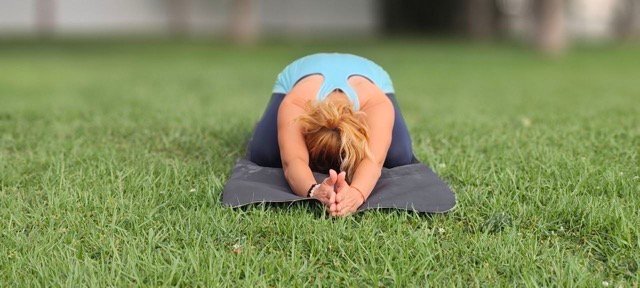
Bodyfulness adds movement and posture to mindfulness: noticing how emotions show up physically and using gentle movement to regulate them. It is especially effective with younger learners.
Train with us
Our Mindfulness and Bodyfulness course and Yoga, Mindfulness and Nature for Kids and Teens give you a toolkit of ready-to-use practices. Read more about emotional well-being courses.
Frequently asked questions
Do I need previous meditation experience?
No. The practices are designed for beginners and for use in ordinary school settings.
Is mindfulness religious?
No. School-based mindfulness is secular and focuses on attention and emotional regulation.