 480€
Orienteering, Digital Tools & Environmental Care
Next week: 17 – 22 Jan 2027 · Benidorm
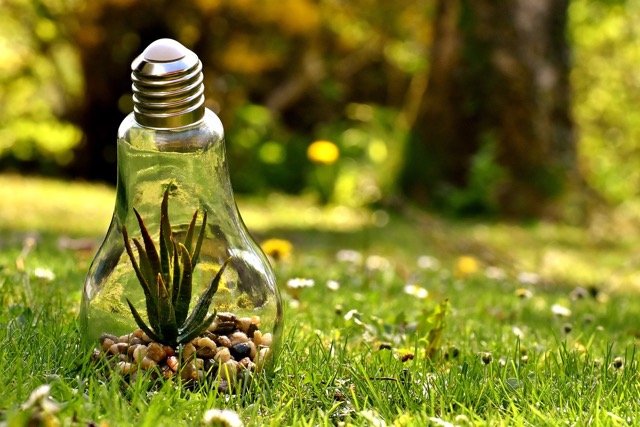
In a world facing environmental challenges, biotechnology offers innovative and sustainable solutions. This course introduces educators to the fundamentals of biotechnology applied to sustainability, demonstrating how microorganisms contribute to the production of everyday items like bread, yogurt, and soap.
Alongside theoretical knowledge, participants will engage in outdoor activities that provide hands-on, experiential learning. These activities will include hiking, teamwork challenges, and sustainable design projects that apply biotechnological principles in the natural world. Through creative problem-solving, gamified learning strategies, and real-world applications, participants will explore ways to integrate biotechnology concepts into education while fostering curiosity, critical thinking, innovation, and teamwork.
By the end of the course, educators will be equipped with practical knowledge and engaging methodologies to inspire students in sustainability and science.
The course follows a dynamic and participatory approach, combining theoretical sessions with practical experiences. A key feature of the course is the integration of outdoor activities, which allow participants to apply theoretical knowledge in nature-based, real-world contexts. Each day includes a balance of interactive workshops, experiential learning activities, debates, and hands-on exercises. Outdoor learning experiences will encourage collaboration and reflection, ensuring an engaging learning process.
Key methodologies include:
Hands-on activities to demonstrate biotechnological processes.
A structured problem-solving approach applied to sustainability challenges.
Incorporating game-based learning strategies to make science education more accessible.
Engaging participants with nature through hiking, eco-challenges, and sustainable innovation.
Encouraging critical thinking and idea exchange among participants.
480€ 560€
 480€